Climate change silently reducing nutrient content in India's staple crops
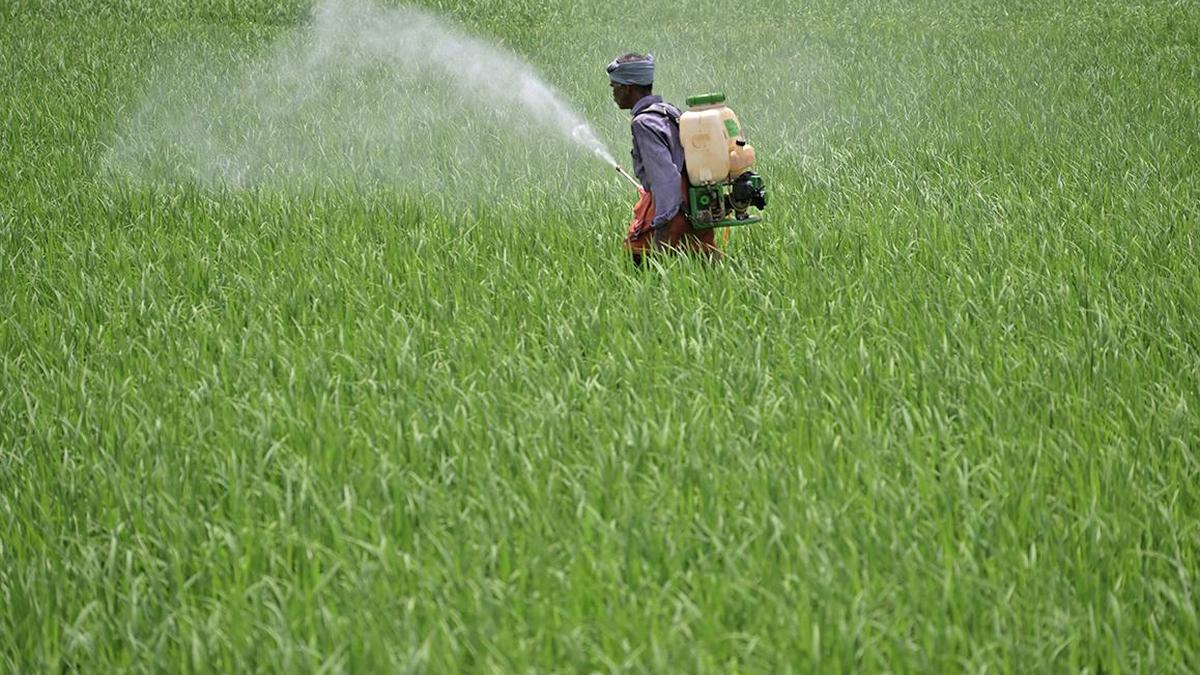
Climate change is gradually diminishing the nutritional value of India's principal food crops, including wheat, rice, and pulses. Scientific research indicates that elevated atmospheric carbon dioxide levels and shifting weather patterns are reducing mineral and protein concentrations in these staples, which form the foundation of the Indian diet.
The depletion of nutrients in key crops poses a significant challenge to food security and public health across the country. As temperatures rise and precipitation patterns become more erratic, the bioavailability of essential micronutrients in grains and legumes is declining, potentially affecting nutritional outcomes for millions of people who depend on these foods.
Experts emphasize that addressing this challenge requires consistent and deliberate action. Strategies such as developing climate-resilient crop varieties, improving agricultural practices, and enhancing soil health are essential to restore and maintain nutrient density in staple foods. The responsibility lies with policymakers, researchers, and farmers to implement sustainable solutions that safeguard both agricultural productivity and nutritional security.