RBI likely to raise rates in October amid broader inflation risks
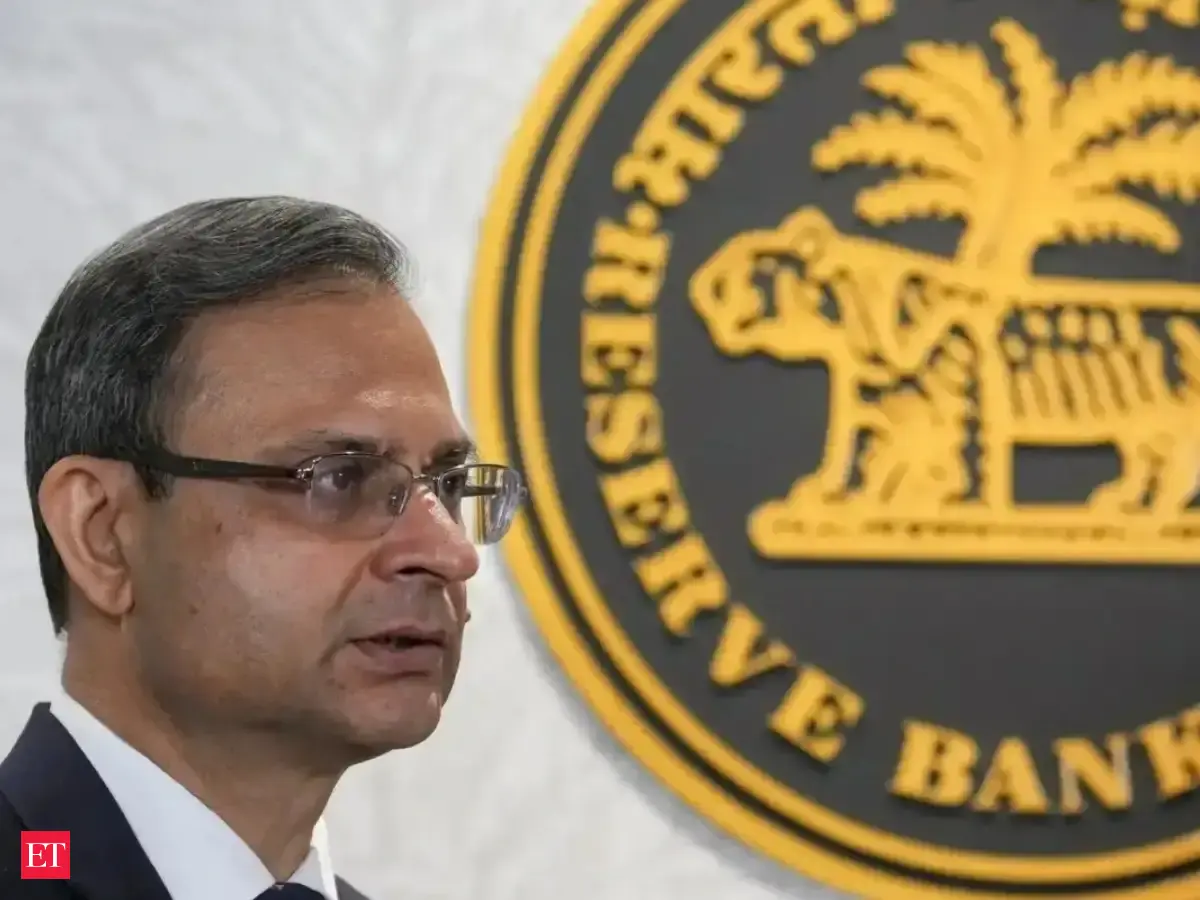
The Reserve Bank of India is likely to commence rate increases in October as inflation risks widen beyond domestic factors, with another rate hike potentially following in the final quarter of 2026. Two main reasons justify this monetary policy shift: inflation risks are increasingly being influenced by external factors including oil prices vulnerable to geopolitical developments, food prices affected by weather conditions including the El Niño phenomenon, and currency weakness stoking imported pressures. Additionally, a higher rate environment will help improve resilience against potential transmission effects from US monetary conditions to emerging markets through lower capital flows, higher funding costs, volatile exchange rates and rising domestic yields.
After two years of benign inflation, India's price trend has risen and broadened this year, with the number of sub-segments growing faster than the 4% inflation target continuing to climb. Three catalysts are driving this uptrend: energy, food, and early signs of demand pass-through. Global benchmark oil prices have averaged around USD 93 per barrel in FY27 year-to-date, up 36% year-on-year compared with FY26. Transport inflation jumped to 4.6% year-on-year in August from 0.1% in January 2026, while utilities have also moved upward.
The central bank is operating in an environment characterised by a wider range of possible outcomes as risk events become increasingly interconnected and non-linear. Oil prices, geopolitical developments, global yields, currency movements and weather-related events have unfolded concurrently, generating volatility in bonds, foreign exchange and capital flows while feeding into inflation expectations and imported price pressures.