"Election Process Can't Be Halted": Supreme Court Rejects Meenakshi Natarajan's Rajya Sabha Plea

The Supreme Court on Friday declined to entertain Congress leader Meenakshi Natarajan's challenge against the rejection of her Rajya Sabha nomination from Madhya Pradesh, ruling that courts cannot intervene while an election process is underway and that any grievance must be pursued through the legal remedies available under election law.
A bench comprising Justices Prashant Kumar Mishra and Atul S. Chandurkar observed that electoral disputes arising during the conduct of elections cannot ordinarily be examined by constitutional courts at an intermediate stage. The court said candidates aggrieved by decisions such as rejection of nomination papers have recourse through an election petition after the process is completed.
Natarajan had approached the apex court after her nomination was rejected over allegations linked to the non-disclosure of a criminal matter in Telangana. Her counsel argued that the decision of the Returning Officer was legally unsustainable and warranted judicial scrutiny. However, the court held that long-settled constitutional principles prevent judicial interruption of an ongoing election.
During the hearing, the bench remarked, “We are afraid that any such interpretation that in some of the matters this Court can interfere while leaving some others to avail the remedy of the election tribunal cannot be encouraged.”
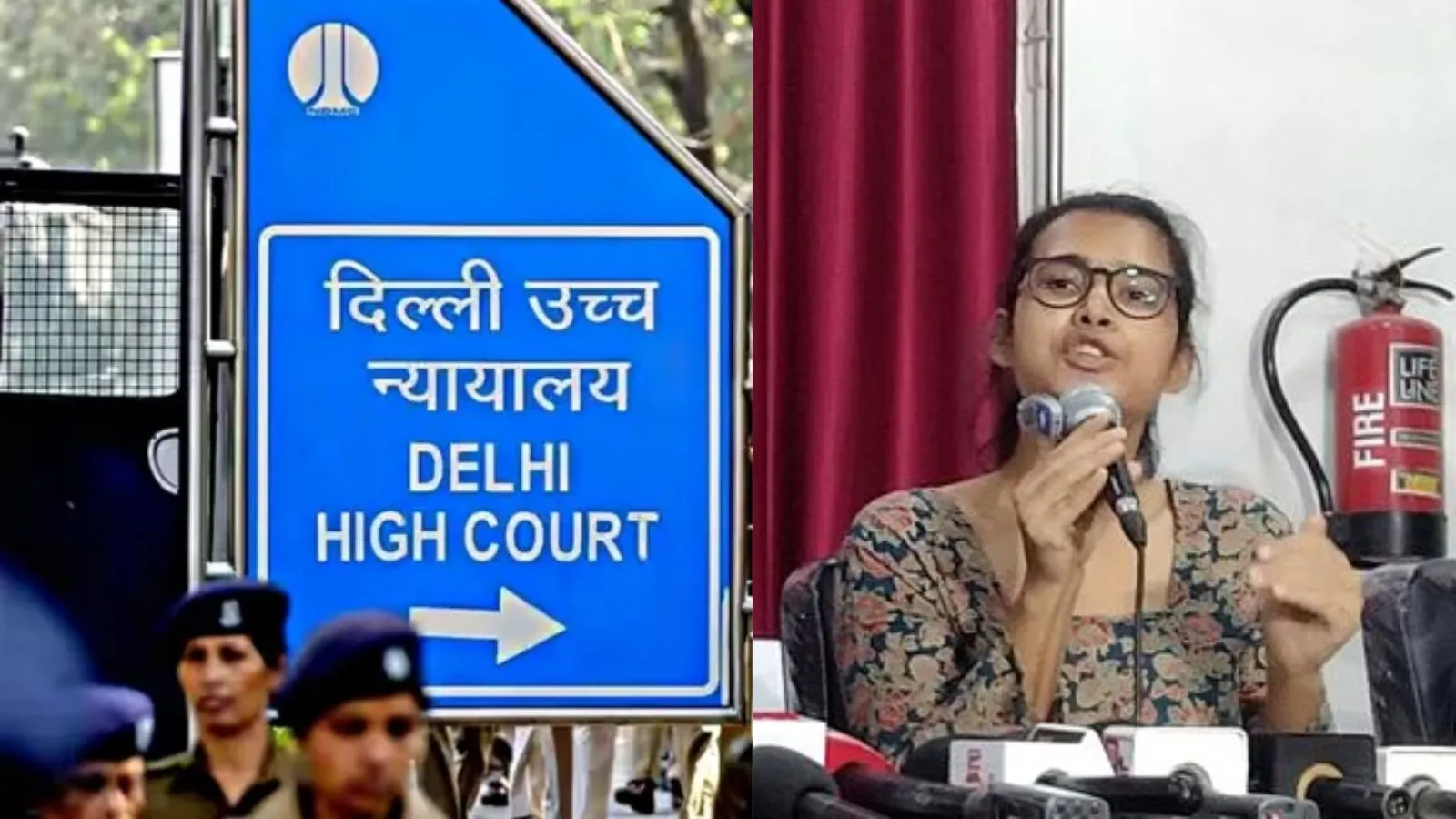
Reacting to the verdict, Natarajan launched a sharp attack on the Election Commission and the election machinery. “I have been saying from day one that the Election Commission is deeply compromised, and today this has been proven once again,” she said. Questioning the role of authorities involved in the process, she added, “We weren't fighting against the states; we were talking about the Election Commission. We were highlighting how the Returning Officer was compromised, and they have been exposed before the public.”
The Congress leader maintained that the dispute centred on the interpretation of disclosure requirements and argued that the case against her did not warrant the rejection of her nomination. Her legal team contended that only a summons had been issued in the matter and that the circumstances did not fall within the category of cases requiring disclosure in the manner alleged by election authorities.
Opposing the plea, the Election Commission and other respondents argued that the right to contest elections is governed by statute and that challenges to nomination decisions must follow the mechanism laid down under election law. They maintained that disclosure obligations under Form 26 are mandatory and that courts should not intervene once the electoral process has begun.
Reaffirming earlier constitutional precedents, the Supreme Court said allowing judicial review of nomination rejections during elections would create exceptions not envisaged under the constitutional framework. The court ultimately refused to interfere, leaving Natarajan to pursue any further challenge through the remedies available under election law.