India's industrial sector sees growth through reform push under Modi administration
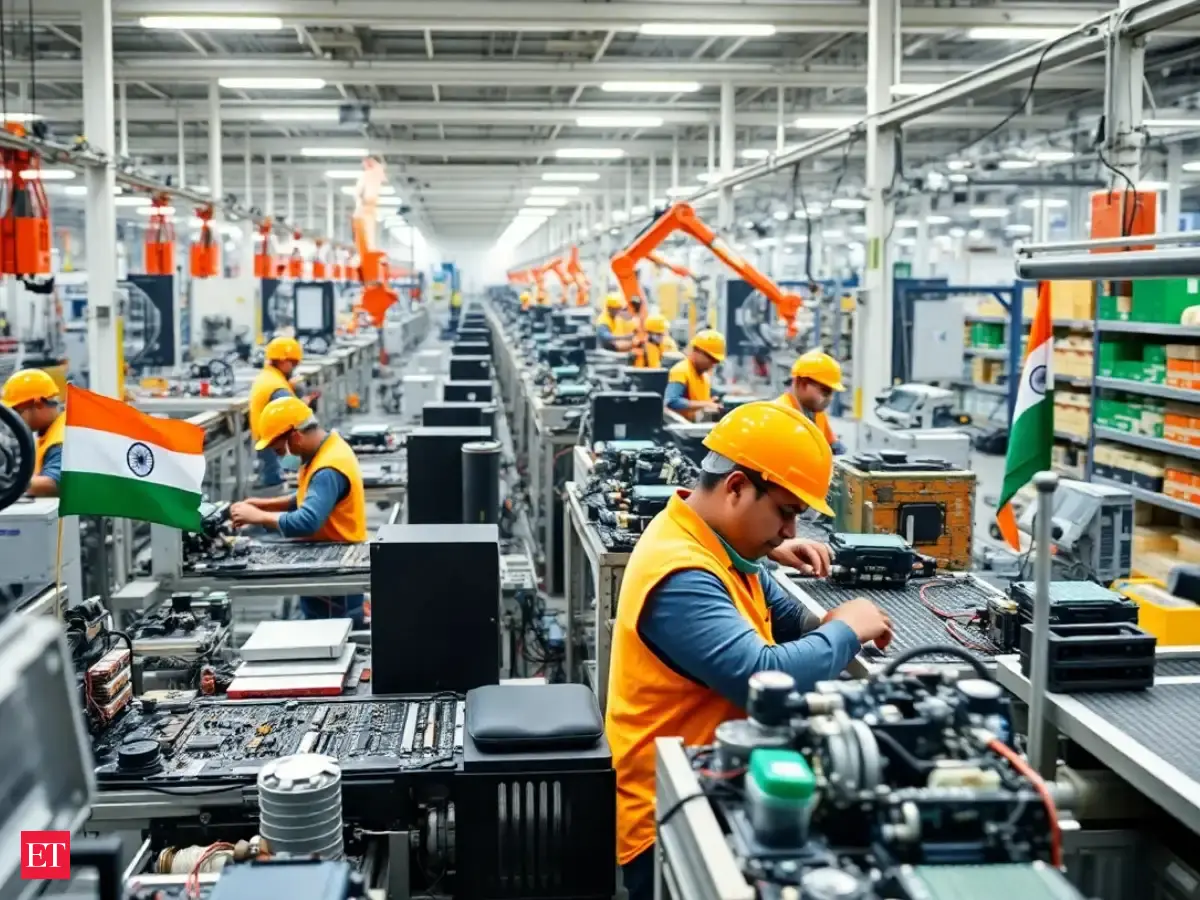
India's industrial sector has experienced significant growth under the Modi administration through a comprehensive reform agenda spanning infrastructure development and business facilitation. The government's approach, initially tested in Gujarat through the Vibrant Gujarat Summit launched in 2003, established a model for encouraging industry, addressing enterprise concerns, and improving ease of doing business. This platform helped develop integrated industrial ecosystems, with strategic infrastructure investments creating specialized hubs such as Dahej in chemicals and petrochemicals, Sanand in automobiles and engineering, and Kutch in industry and renewable energy.
When Modi assumed office in New Delhi in 2014, his manufacturing-focused approach was applied nationwide through multiple structural reforms. The Goods and Services Tax created a more integrated national market by removing multiple taxation layers. The Insolvency and Bankruptcy Code established a framework for redeploying capital and productive assets, while digitization and formalization brought economic activity into the formal system. The four Labour Codes consolidated and rationalized existing labour laws. Simultaneously, infrastructure spending addressed longstanding constraints on Indian industry by reducing the cost and time of goods movement. The Eastern and Western Dedicated Freight Corridors created new backbone infrastructure for freight movement, particularly benefiting small and medium industries unable to build independent logistics networks.
Indian industry has gained greater access to global markets through trade agreements with several countries. This combination of a large domestic market and expanding international market access provides Indian manufacturers opportunities significantly harder to envision a decade ago.