India has no structural excess manufacturing capacity, says Piyush Goyal
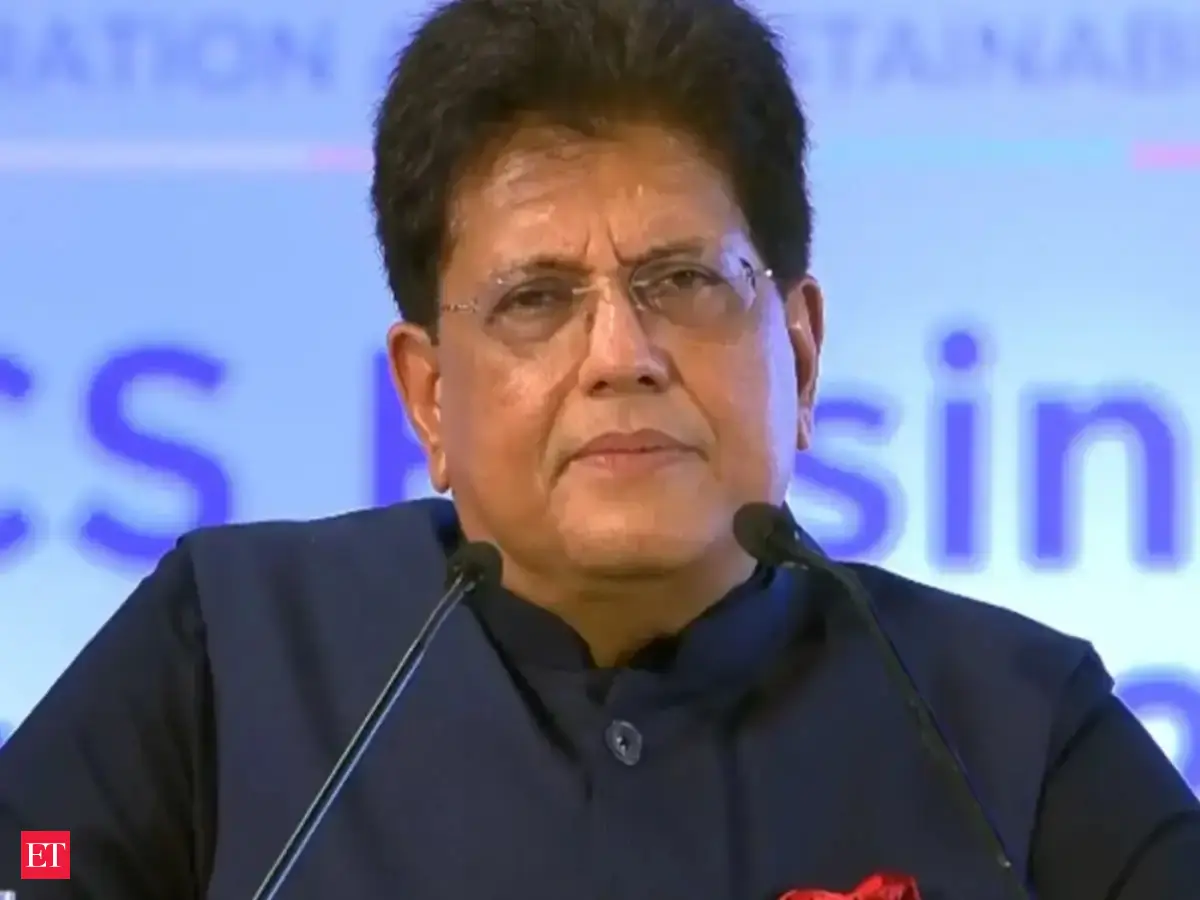
Commerce and Industry Minister Piyush Goyal stated at the G20 Trade Ministers' Meeting in Milwaukee, Wisconsin that India does not have structural excess manufacturing capacity in the sectors identified by the G20 Presidency. He asserted that the country's manufacturing capacity serves both domestic and global needs, catering to a population of 1.4 billion people while building manufacturing value chains as a trusted link in global supply chains.
Goyal emphasized that industrial capacity itself is not the issue; rather, distortions arise where geographical concentration of production is driven by hidden subsidies and support. He acknowledged that diversification of production and supply chains is a legitimate objective, but stressed it cannot be used as a pretext for measures outside WTO rules or shifting the burden of adjustment onto developing countries. India shares the concern of several G20 members that trade-distorting support in some countries leads to dumping and predatory pricing, addressing such practices through evidence-based WTO measures including anti-dumping and countervailing duties, Goyal added.
These remarks come as the United States Trade Representative launched Section 301 investigations on 60 economies over concerns related to forced labour and excess industrial capacity. One probe on forced labour concluded with a 10 per cent duty imposed on countries including India, while final findings on the excess capacity probe remain pending. The US has flagged excess capacity concerns across sectors including steel, textiles, aluminium, automobiles, batteries, semiconductors, and solar modules.