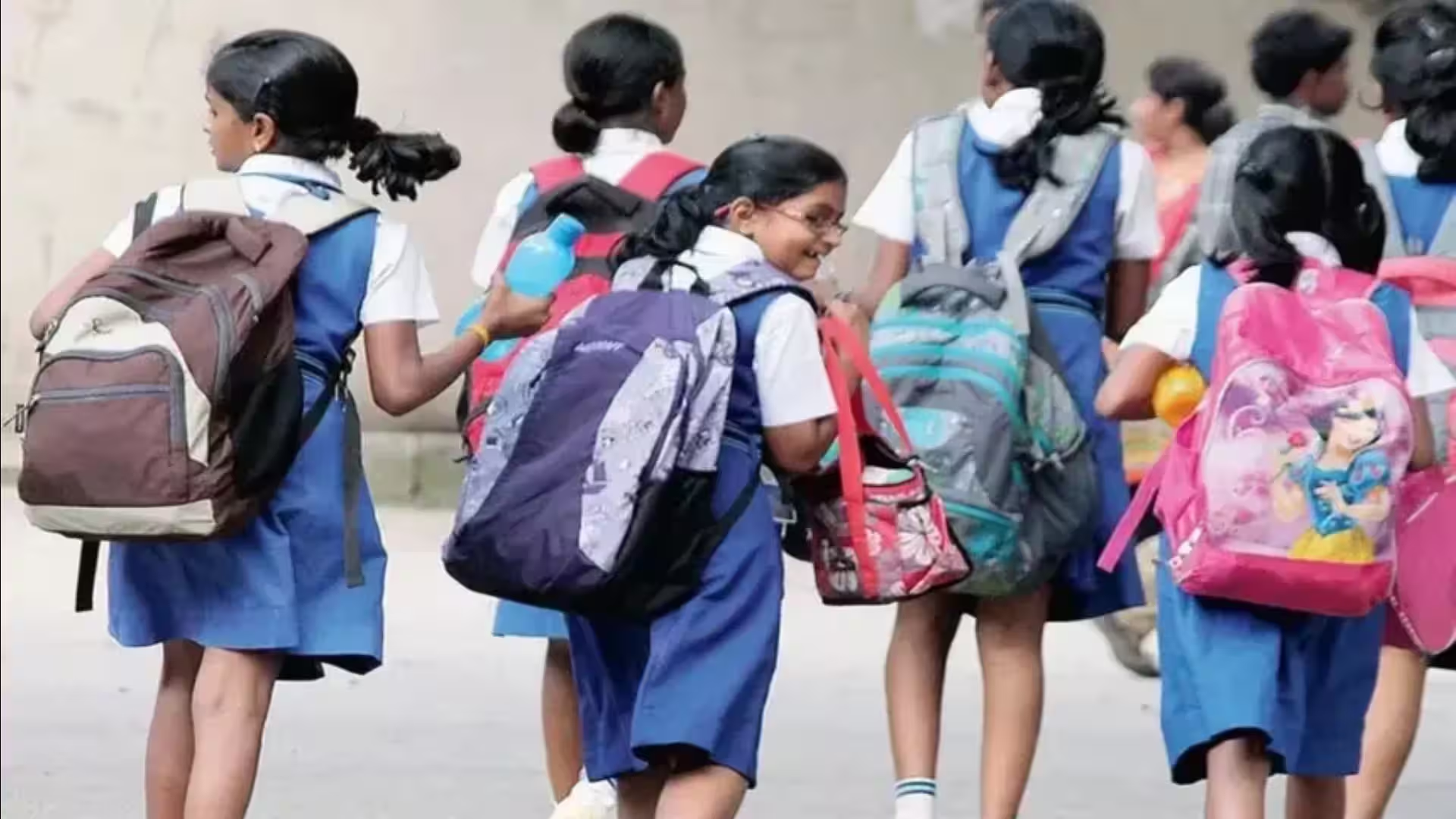
School toilets widespread but maintenance remains poor, data shows

On the 12th anniversary of Swachh Bharat Mission, launched on October 2, 2014, data shows that nearly all schools in India have constructed toilets and installed drinking water facilities. According to the WHO/UNICEF Joint Monitoring Programme, the proportion of schools with access to basic drinking water increased from 55% in 2015 to 97% in 2025. During the same period, basic sanitation in schools rose from 62% to 81%, while schools with no sanitation at all decreased from 27% to 14%. India now exceeds world averages in both metrics, with only five countries among 164 showing faster improvement in drinking water access.
Data from the Ministry of Education's UDISE+ 2025-26 further confirms this progress, showing that 98.5% of the country's 14.56 lakh girls' and co-educational schools have girls' toilets. The Swachh Vidyalaya scheme mandated that each government school should have separate toilet facilities for boys and girls, a commitment largely fulfilled across India's vast school system.
However, the critical challenge has shifted from construction to maintenance and sustained functionality. A toilet's utility depends entirely on how well it is maintained. Girls face the most significant risks from poorly maintained facilities, underscoring the gaps between infrastructure availability and actual usability. Ensuring these toilets remain clean, functional, and hygienic remains an ongoing priority.