Sharad Pawar's NCP-SP May Back Delimitation Bill If Centre Accepts 50% Lok Sabha Seat Formula

The Nationalist Congress Party (Sharadchandra Pawar) has indicated that it could support the Centre's proposed Delimitation Bill, but only if the legislation guarantees a uniform 50% increase in Lok Sabha seats for every state. The clarification came after reports suggested that the Sharad Pawar-led party was preparing to back the Narendra Modi government on the contentious proposal.
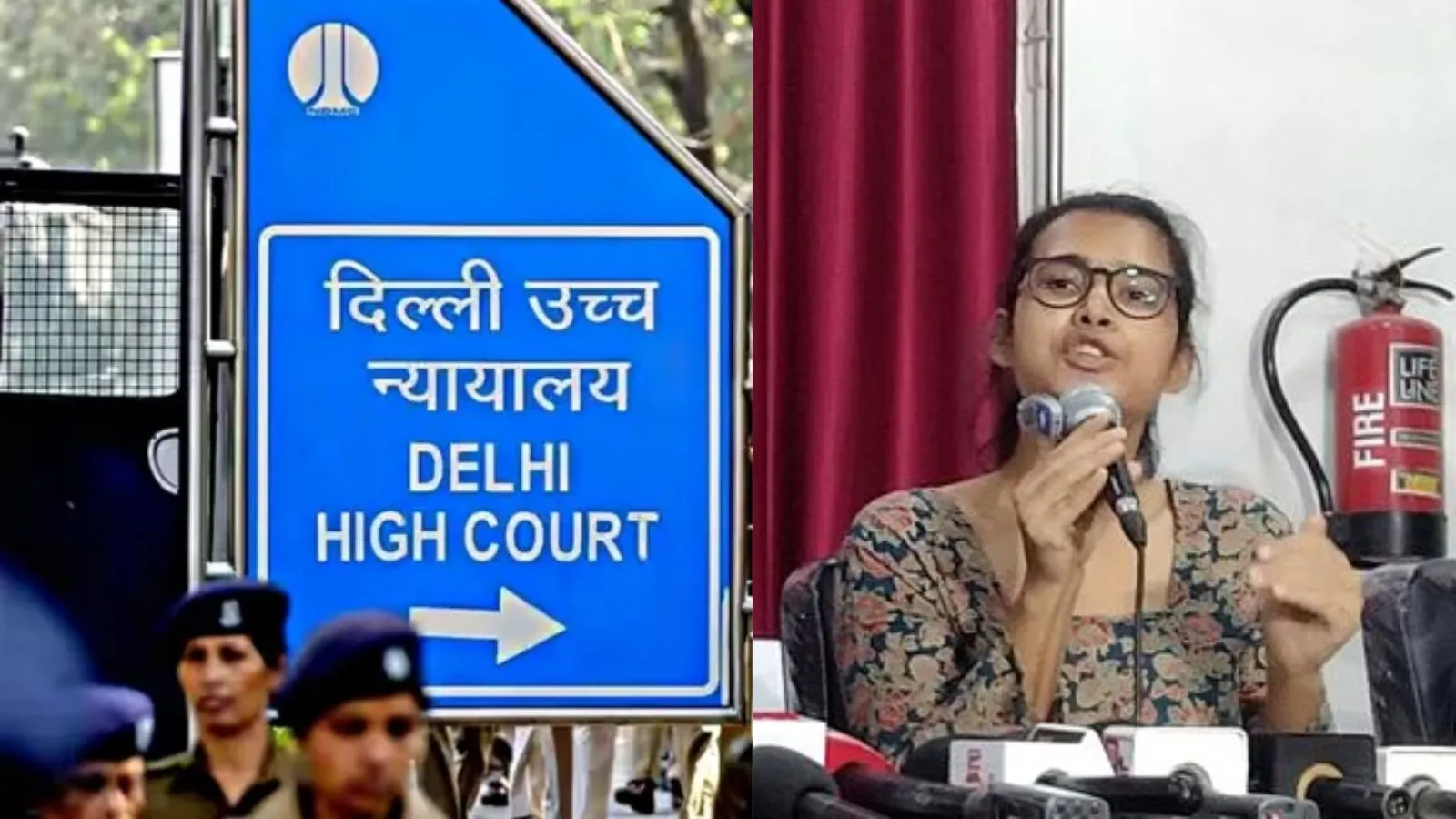
Addressing the media, NCP-SP MP Supriya Sule said the party has not yet taken a final decision and will study the Bill only after it is officially introduced in Parliament. She maintained that support would depend on whether the final legislation protects the interests of all states.
"If the government ensures a 50% increase in seats for every state and clearly explains how it will be implemented, we will support it," Sule said.
Her remarks come amid growing political speculation following reports that leaders from both NCP factions had separately met Maharashtra Chief Minister Devendra Fadnavis, fuelling rumours of a possible political realignment.
Sule, however, dismissed the speculation and clarified that senior leader Jayant Patil's meeting with the Chief Minister was related to a civic issue in his constituency and had nothing to do with political negotiations. She also rejected reports suggesting that the Sharad Pawar-led NCP was moving closer to the NDA.
The debate over the Delimitation Bill has intensified after Congress leader P. Chidambaram urged regional parties not to support the proposed legislation, arguing that population-based delimitation could reduce the political representation of states that have successfully controlled population growth.
The Centre is expected to bring the Constitution (131st Amendment) Bill during the upcoming Parliament session, with the proposed legislation seeking to expand the strength of the Lok Sabha while paving the way for implementing women's reservation. The Bill has emerged as one of the most closely watched political issues ahead of the session, with regional parties expected to play a decisive role in its passage.