TMC Hits Reset Button As 59-MLA Revolt Grows, All Bengal Committees Dissolved

The Trinamool Congress has initiated its most dramatic organisational shake-up in recent years, dissolving every committee across West Bengal at a time when the party is battling an escalating internal revolt led by a section of its own legislators.
The decision effectively wipes the slate clean for the ruling party's organisational structure in the state and signals that the leadership is preparing for a major reset as political tensions continue to mount.
The announcement came on the same day that a rebel camp led by expelled MLA Ritabrata Banerjee claimed the support of 59 legislators and moved to strengthen its position inside the Assembly. The timing has fuelled speculation that the organisational restructuring is not merely administrative but part of a broader effort to reassert control over the party machinery.
Rather than directly addressing the rebellion, the party has framed the move as a statewide review of performance, organisational effectiveness and political strategy. The exercise is expected to evaluate party structures from the grassroots level to the state leadership before new committees are formed.
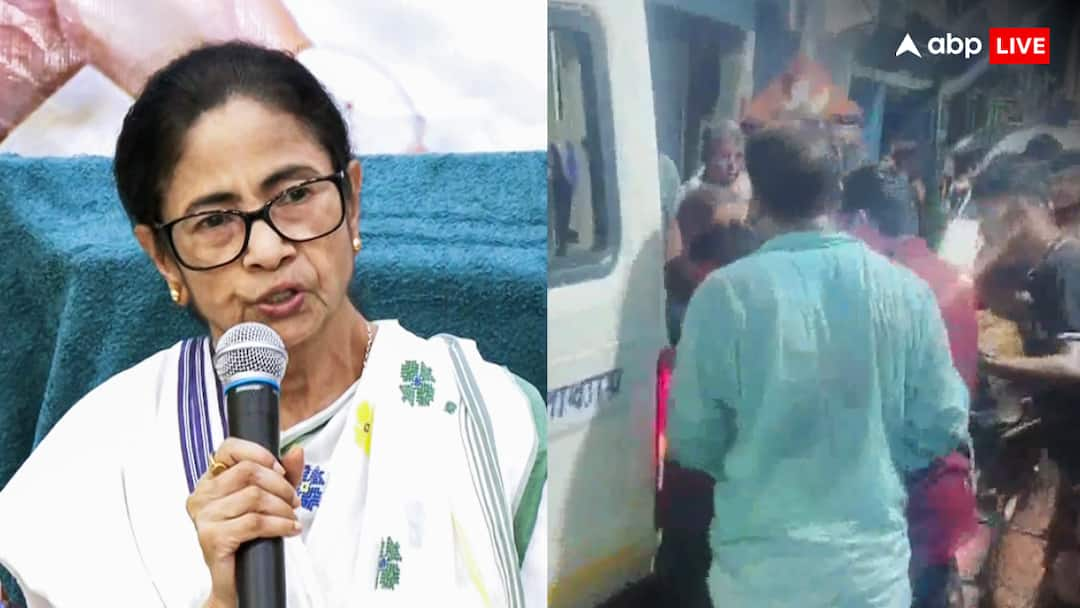
Political observers note that the development reflects the seriousness of the challenge confronting Mamata Banerjee. While the party remains in power, recent weeks have seen growing signs of discontent within its legislative ranks, culminating in the emergence of a rival faction claiming significant numerical support.
The crisis has become particularly sensitive because the rebel camp argues that it commands enough legislators to challenge the authority of the official leadership within the Assembly. At the same time, the party leadership has sought to project confidence by restructuring the organisation rather than publicly engaging with every allegation made by dissidents.
Another factor adding to the pressure is the visible decline in attendance at key legislative party meetings over the past month. Political analysts say such trends often serve as an early indicator of dissatisfaction within party ranks, even before open rebellion becomes visible.
The organisational overhaul may therefore serve multiple purposes: identifying loyalists, rebuilding local structures, removing inactive office-bearers and tightening control ahead of future political battles.
For now, the move does not resolve the fundamental question facing the Trinamool Congress—whether the rebellion represents a temporary power struggle or the beginning of a deeper split within one of India's most influential regional parties.